Oak, Ash or Beech? Reading the Character of Wood Grain
Oak, ash or beech wood grain can set a room’s mood. Learn how to compare color, grain pattern and finish before choosing furniture or trim.
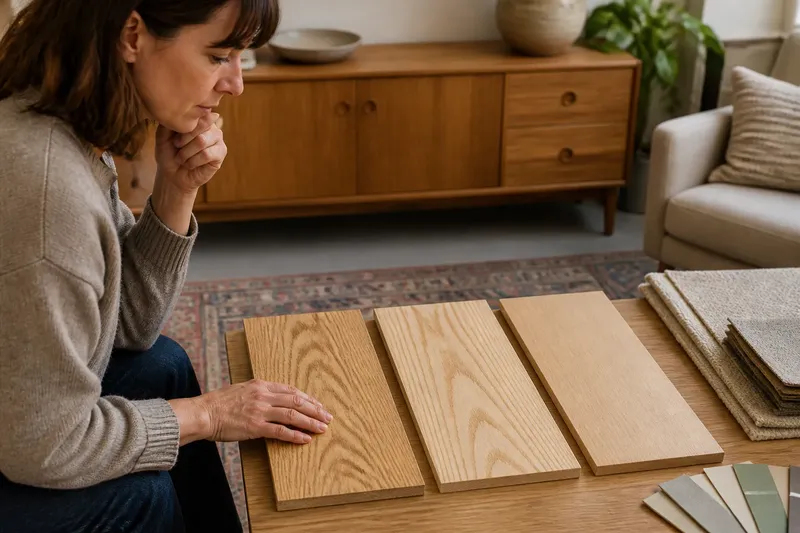
At a furniture shop, two pale tabletops can look nearly identical from the aisle, then feel entirely different up close. Oak, ash or beech wood grain gives you useful clues: oak tends to read as textured and grounded, ash as open and lively, and beech as calm and close-grained. Compare samples in a deliberate order, and you can choose the character that suits your room rather than relying on a wood name alone.
What mood should the wood bring to the room?
Start with the feeling you want the piece to add. A broad oak grain can give a room a settled, substantial note; ash often feels airy and animated; beech tends toward a smooth, quiet presence. These are visual impressions, not rules about how a room must be furnished.
Look at the furniture already nearby. If a space has fine woven fabrics, narrow trim and many small details, strongly marked grain may become another busy pattern. In a room with plain walls and simple upholstery, a more visible grain can supply interest without adding another color or motif.
Write down two or three words for the effect you want, such as “soft and even” or “warm with movement.” Keep those words in mind as you inspect samples.
How does oak, ash or beech wood grain differ?
Oak commonly shows pronounced grain with clear bands, arches or cathedral-like shapes, especially on flat-sawn boards. Rays can appear as pale flecks or short marks across the grain. Its natural color varies from light tan to warmer brown, and a finish may shift how strongly those tones stand out.
Ash often has an open, flowing grain with long lines and wider curves. It can look light and energetic, with a contrast between growth rings that makes the pattern easy to notice. The result may feel brisk and relaxed rather than formal, though the board cut and finish make a difference.
Beech generally has a finer, more even grain and a pale cream or pinkish cast. Small flecks or gentle figuring may appear, but the overall surface often reads as quieter than oak or ash. That restraint can help a piece sit beside patterned rugs or expressive fabrics without competing for attention.
Species names describe a starting point, not a promise of identical color or pattern. Individual boards, how they were cut, and the finish all affect the final look.
What should you inspect on a sample?
Compare the sample at the size and angle you will see on the finished piece. A small chip can hide broad grain arcs that become prominent across a cabinet door or tabletop. If possible, ask to see a larger board, veneer sheet or finished sample in the same species.
- Grain direction: Decide whether long, flowing lines or rounded, repeating shapes appeal to you.
- Contrast: Notice how sharply the darker and lighter parts of the grain differ.
- Color cast: Check for yellow, pink, gray or brown notes rather than calling every pale wood “neutral.”
- Flecks and figure: Look for rays, small marks or irregular patterns that may become a focal detail.
- Finish: Compare the surface as it will actually appear, since clear, tinted or matte finishes can change the color and emphasis.
Hold samples beside your floor, wall color and a nearby textile. Check them in daylight and in the room’s usual evening light; a tone that seems fresh by a window can look warmer under a lamp.
Should the grain be a feature or a quiet backdrop?
Choose a prominent grain when the piece has a simple shape and you want its surface to carry some visual interest. Oak can suit that role when you like clear markings and a sense of weight; ash may be a better fit if you want similarly visible movement with a lighter impression.
For a background piece, beech’s comparatively even grain can keep the surface from drawing the eye first. It can also be a useful choice when nearby materials already have strong patterns. Still, a calm wood tone is not automatically invisible: a large uninterrupted panel can make even subtle grain noticeable.
Imagine you are choosing a low cabinet for a room with a patterned rug and plain walls. You compare an oak door with bold arcs, an ash door with long sweeping lines and a beech door with finer marks; the beech may leave the rug as the stronger pattern, while ash could add movement without matching the rug’s shapes. The useful question is which surface feels balanced beside what is already there.
Which wood suits your choice? Common questions
Is oak grain always darker than ash?
No. Both woods can appear light or warm depending on the particular board and finish, and a pale oak can look lighter than a darker ash sample. Compare actual finished surfaces instead of deciding from species names alone.
Does beech have visible grain?
Yes, but its pattern is often finer and less dramatic than the strong bands associated with some oak or ash boards. Look closely for subtle lines, flecks and color shifts before choosing it for a broad surface.
Can different woods work in the same room?
They can, especially when their colors share a compatible undertone or their grain patterns differ in scale. For example, a quiet beech side table may sit comfortably beside a more marked oak piece, while two bold patterns may compete.
How can I judge the finish before buying?
Ask to see a finished sample in the sheen and color you are considering, then view it near the materials around the intended piece. Follow the product label and manufacturer guidance where the finish or material identification matters.
How do you make the final choice?
Return to your original mood words and hold the strongest sample beside the room’s most noticeable surfaces. If the grain is the first thing you see, ask whether that is the character you want the piece to bring; if the color feels right but the pattern distracts you, compare a quieter board or cut.
When choosing oak, ash or beech wood grain, favor the sample that looks convincing in the room’s ordinary light and alongside its existing textures. A small, deliberate comparison now can help a large piece feel like it belongs without asking every surface to match.