The Clear Route Through a Room: What Furniture Placement Changes
A clear route through a room makes everyday movement easier. Learn to map natural paths, spot pinch points, and adjust furniture before lifting it.
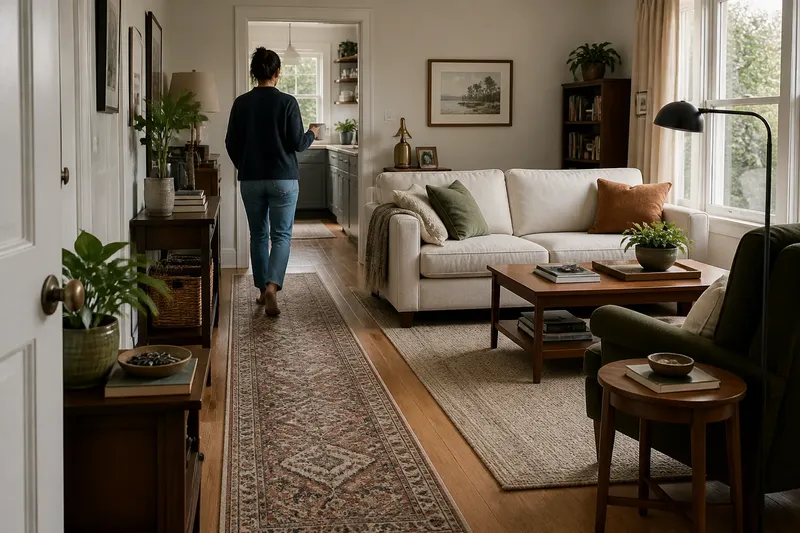
You cross the living room with a mug in one hand, turn sideways past the coffee table, and reach the kitchen without thinking about the route. A clear route through a room makes that ordinary trip feel effortless—and shows where furniture may be getting in the way.
Before shifting a sofa or buying a narrower table, watch how people actually cross the space. Circulation is not just an empty strip between furnishings; it is the pattern of trips connecting doors, seats, windows, storage, and everyday activities.
Where does the room’s natural route begin?
Start with entrances and destinations, not furniture. Notice the line from the main doorway to the sofa, from the sofa to a side table, or from the hall to a window someone opens each morning. Those repeated journeys create the room’s working paths.
Observe at ordinary times rather than staging a perfect walk-through. A route that seems clear when the room is empty may feel awkward when someone is seated, a cabinet door is open, or a child is playing on the rug.
Make a rough sketch of the room and mark doors, large furniture, and regular destinations. Add arrows for the routes you notice, using a different mark for an occasional trip, such as reaching a seldom-used cabinet.
What does a clear route through a room need?
A comfortable path is easy to follow without unexpected turns, brushing against furniture, or asking someone to move. It should also make sense from the doorway. If the first thing you encounter is a chair back that forces a sharp detour, the arrangement may be interrupting the room’s natural flow.
Look for pinch points, not just obvious blockages. A chair pulled away from its usual position, a table corner, or a floor lamp beside a doorway can narrow a route just where someone needs to turn. Open cabinet and closet doors while observing, since their swing can occupy space that looks clear when they are shut.
Pay attention to where a route meets a place to pause. People stop to set down a bag, sit, talk, or reach for a book. A useful layout lets them pause without making everyone else squeeze past.
How can you observe circulation before moving furniture?
For a few ordinary stretches of the day, notice routes without correcting them. Jot down where you turn sideways, step around a rug edge, or nudge a chair back into place. One unusual trip need not dictate the layout; look for repeated friction.
You can watch from the doorway as someone else uses the room, or ask a household member what feels awkward. A person carrying laundry or holding a sleeping child may reveal a different path from someone walking through with empty hands.
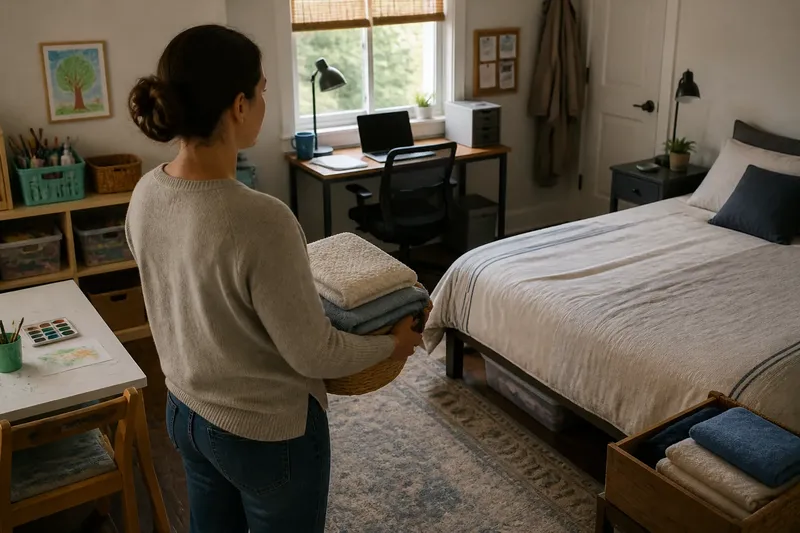
Say you notice a household member carrying a laundry basket from the hall to a bedroom repeatedly clipping a console corner. Mark the route and contact point on your sketch, then note whether shifting the console would clear the turn without blocking a drawer or door. If it does, the expected result is a smoother turn with fewer brushes against the furniture; if the move creates a new obstruction, the sketch gives you a reason to reconsider.
Which everyday movements deserve priority?
Not every route needs to be equally direct. Prioritize frequent trips and journeys made while carrying something, such as taking dishes to the kitchen or moving a basket through a doorway. Less frequent access can tolerate a small detour if the main path remains easy.
Consider several people at once. Routes may cross near the center of a room, especially when one person leaves a seat as another enters. A layout that gives both people room to pass may work better than one that makes either route perfectly straight.
Notice the difference between a path and a destination. A clear approach to a reading chair matters, as does the space needed to sit down and stand up. A chair can be easy to reach yet awkward to use if a table or ottoman crowds its front.
What should you check before changing a furniture position?
Use your sketch to identify the smallest likely adjustment. Moving one occasional table or rotating a chair may solve a recurring pinch point; shifting every large item at once makes it harder to tell what helped. Mark a proposed furniture footprint on the floor with painter’s tape before lifting anything.
Check each point and let what you observe guide the next move:
- Door swings: Open each door fully. If it hits the proposed furniture position or blocks the handle, move the furniture or choose another arrangement.
- Seated movement: Pull out a chair and stand up. If either action spills into the main path, shift the chair or revise the route.
- Open storage: Open drawers, cabinets, and closet doors. If an open door blocks the path, reposition the nearby furniture or keep that storage approach clear.
- Floor edges: Walk the route and inspect rug corners and mats. If you have to make a sharp step around an edge or a mat shifts underfoot, adjust the route or secure or reposition the floor covering.
- Shared passage: Have two household members approach the narrow point from opposite directions. If one gets trapped behind a chair, move the chair or arrange the route so they can pass or pause elsewhere.
- Useful reach: From the usual seat or standing spot, reach for often-used items. If an item is awkward to access, move it closer or relocate the furniture to preserve access.
Move only when the taped outline or sketch suggests a workable change. If furniture is heavy or difficult to handle, get appropriate help rather than risking injury or damaging the floor.
How does furniture placement affect the feel of a room?
Circulation changes more than convenience. A sofa angled toward a doorway can make arrivals feel included, while a chair placed directly in the route can make the room feel like a passage rather than a place to stay. Furniture can guide movement without forming a rigid corridor.
A rug, low table, or pair of chairs can signal a destination. A rug can define the sitting area, but its edge should not force the main route into an awkward zigzag. A small table can support a reading spot while leaving a natural path around the seating group.
Keep the route legible rather than empty at all costs. Furnishings can sit near a path if people can pass comfortably and the arrangement does not obstruct doors, movement, or the room’s activities.
What questions help diagnose a stubborn traffic pinch?
Should the main path run through the seating area?
It can, if the route does not cut directly between a seated person and the rest of the room. When that crossing feels intrusive, place the seating group to one side of the most-used line while keeping a clear approach to the seats.
Does every route need to be straight?
No. A gentle turn around a table or rug edge can feel natural when it is visible and easy to follow. Sudden turns beside a doorway or behind a chair are more likely to cause daily friction.
What if the room has only one possible walkway?
Keep the essential route as uncomplicated as the room allows, then clear movable clutter from its narrowest turns. If a fixed feature creates the pinch, prioritize approaches to doors and frequently used furniture rather than trying to make every route equally direct.
How can you tell whether a change helped?
Live with one adjustment during ordinary use and notice whether the same awkward turn, bump, or request to move aside keeps happening. The change should make the route easier to follow without creating a new nuisance at a doorway, seat, or storage area.
What small adjustment is worth trying first?
Begin with the obstruction you have repeatedly noticed, not the piece of furniture that is easiest to criticize. Pulling a small table closer to a sofa, turning a chair away from a doorway, or moving a floor lamp out of a turning area may clarify the route without changing the whole room.
After making the change, use the room as you normally would and look for a practical result: an easier turn, a clearer view to the doorway, or less interruption while someone is seated. A clear route through a room is a pattern people can use comfortably, not a demand for bare floors or furniture lined up against the walls.